React Development · Mumbai & Worldwide
Shared UI, state and data,
built as one component system.
React frontends, component systems and application modernisation — planned around a reusable structure rather than page-by-page rebuilding. Need a Next.js-specific website with server rendering and routing? See our Next.js development service instead.

Prateeksha builds React applications and component systems in Mumbai, structured around reusable architecture rather than page-by-page rebuilding. State management and API integration are chosen to fit the project, not defaulted to a specific library. A Next.js-specific build is available separately when routing, server rendering and SEO structure are the deciding factors. Migrations are planned with a redirect map and validation pass to reduce risk, not promised as risk-free.
Where React frontends go wrong
Most hard-to-maintain React apps grew without a component structure.
- 01
Duplicated UI
The same interface pattern rebuilt slightly differently on every screen.
- 02
Inconsistent state
State managed differently in different parts of the app, with no shared pattern.
- 03
Tightly coupled screens
Business logic and presentation mixed together, making changes risky.
- 04
Inaccessible components
Interactive elements built without keyboard support or semantic markup.
- 05
Unsafe modernisation
Legacy code migrated piecemeal with no plan for what could break.
What a clean component system changes
A structure built for reuse, not rebuilt on every screen.
We map the component model, state and data layer before writing production code, so new screens reuse what already exists. Need routing and server rendering as part of the build? Next.js development covers that specifically.
- A component model mapped before any screen is built
- A consistent, chosen approach to state and data — not a default library
- Accessible components with keyboard support and semantic markup
- API integration planned for reliability, not wired in ad hoc
- A redirect map and validation pass for any migration, to reduce risk
What's included
Every stage a React project actually needs, in order.
Scoped to what your application and its screens genuinely require.
Application discovery
Discovery
Component architecture
Architecture
UI implementation
Implementation
API integration
Integration
Frontend modernisation
Modernisation
Performance diagnosis
Diagnosis
Testing
QA
Ongoing maintenance
Care plans
Explore maintenanceHow delivery runs
Understand, model, build, integrate, improve — in that order.
The same sequence for a component library or a full application rebuild.
Understand
Screens, user flows and data sources understood before any component work begins.
Model
Component structure and state approach planned to fit the application, not a default library.
Build
Accessible, TypeScript-based components implemented against the agreed model.
Integrate
APIs and data wired in with error handling, then verified against real flows.
Improve
Performance diagnosis and incremental improvement as the application and its users grow.
What changes
A page-by-page frontend vs. a reusable component system.
Both render the same screens. The difference is whether new screens reuse a structure or get rebuilt from scratch.
Suited to
Built for the application your screens actually need.
React genuinely fits some projects better than others — we recommend based on your requirements.
Interactive dashboards
Application-grade
Component libraries
Reusable
Legacy modernisation
Modernisation
Server-rendered sites
Consider Next.js
Explore Next.jsChoose your starting point
Three ways to start, depending on where your application is today.
A new build, a modernisation, or a focused performance fix — each is a legitimate starting point.
Diagnose
Architecture review
A review of an existing application, with a component-structure and state-management recommendation.
- Component and state review
- Performance diagnosis
- Migration risk assessment
- A written plan you can act on either way
Recommended
Focused build
A new React application or component library built to the structure the review recommends.
- Component architecture in TypeScript
- API integration with error handling
- Accessible, documented components
- Testing before launch
Ongoing
Support & iteration
Maintenance and incremental improvement after launch, as screens and data needs evolve.
- Dependency updates & monitoring
- Performance diagnosis as usage grows
- Incremental feature work
- See our website maintenance service
What ships with every React engagement
Component architecture documentation
A written record of the component model, state approach and why they were chosen.
A documented component set
Reusable, accessible components with usage notes for future screens.
API integration notes
Data-fetching and error-handling decisions documented alongside the code.
Testing before launch
Verification against the components and flows genuinely shipped.
Migration risk plan (where relevant)
A redirect map and validation pass for any application being modernised or replatformed.
Handover & support options
Code, docs and credentials handed over, with a maintenance plan available if you want it.
Website Design

Creative studio website with bold visuals and portfolio showcase.
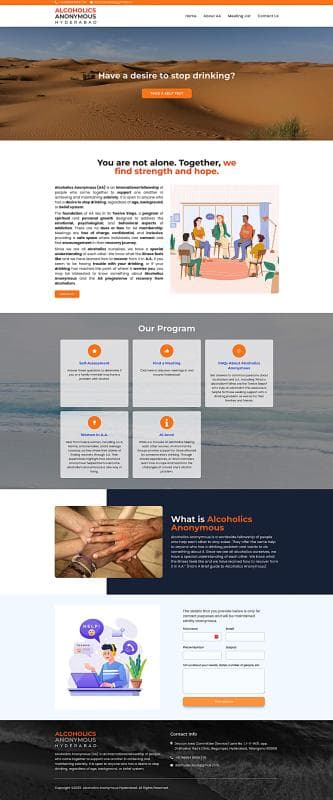
Corporate website for AA Hyderabad featuring meetings and event sections.
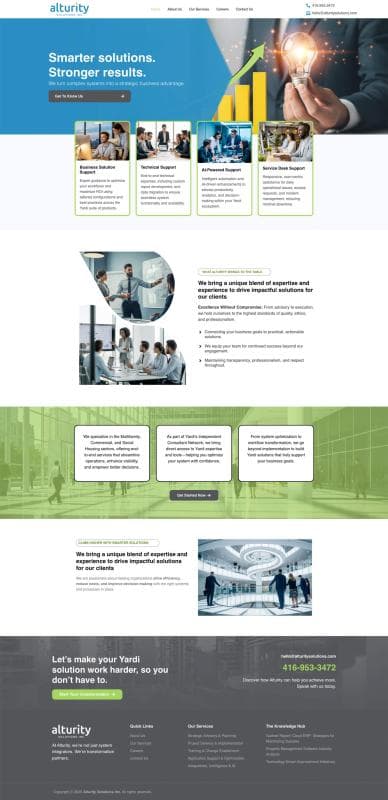
Professional website for Alturity Solutions technology services.
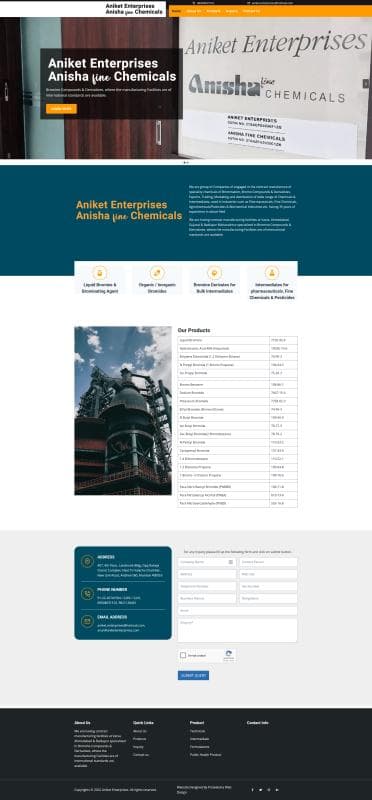
Industrial website with product catalogue, certifications, and contact forms.
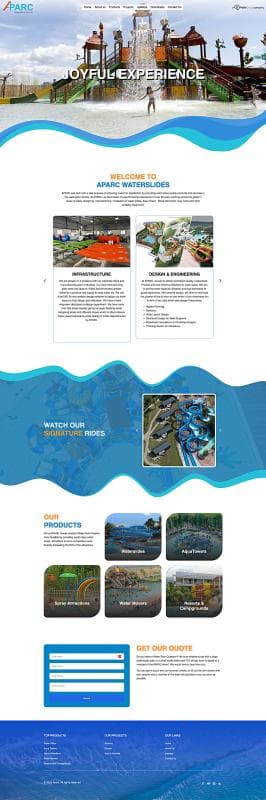
Clean and modern architecture portfolio website.
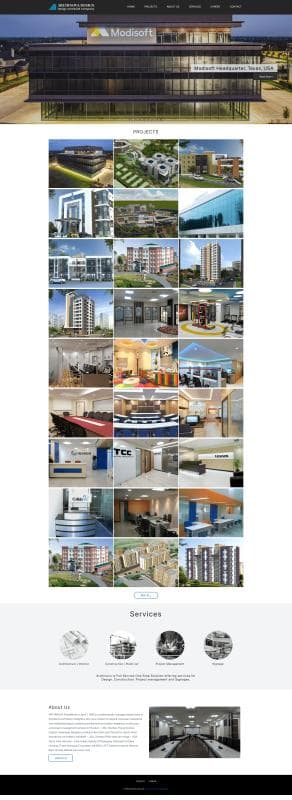
Architecture firm website showcasing projects, careers, and office design.

360 Studios
Creative studio website with bold visuals and portfolio showcase.
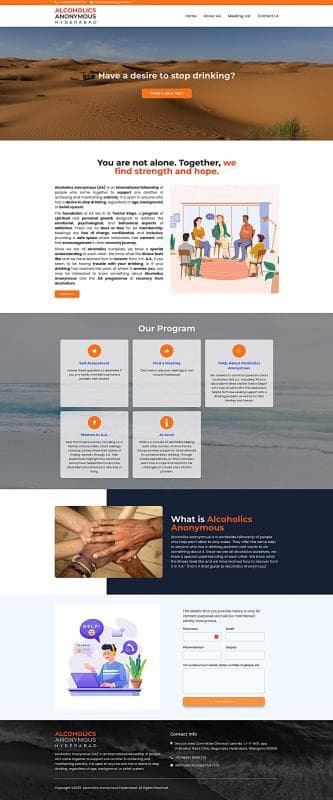
AA Hyderabad
Corporate website for AA Hyderabad featuring meetings and event sections.
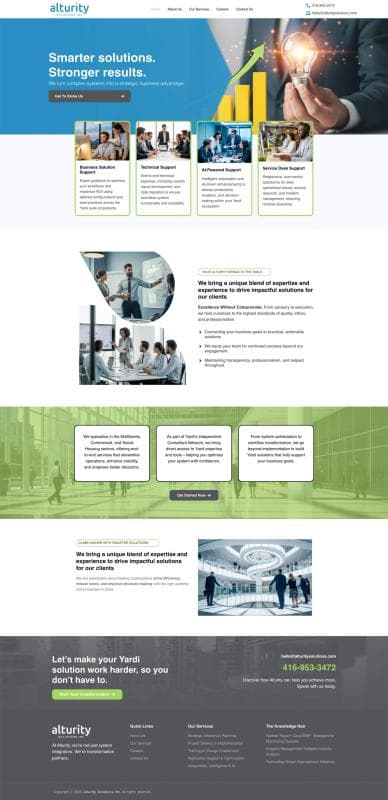
Alturity Solutions
Professional website for Alturity Solutions technology services.
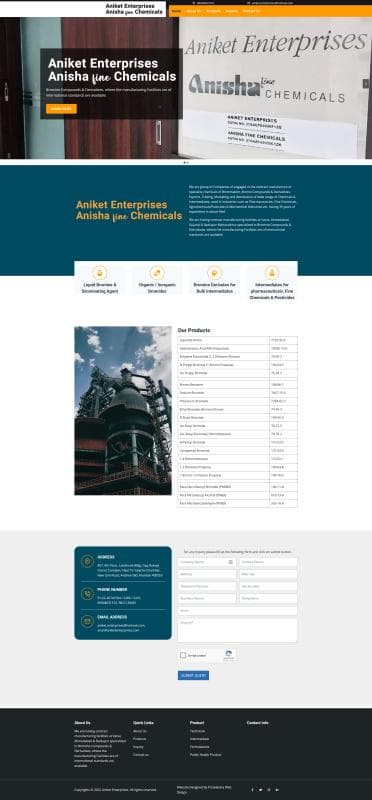
Aniket Enterprises
Industrial website with product catalogue, certifications, and contact forms.
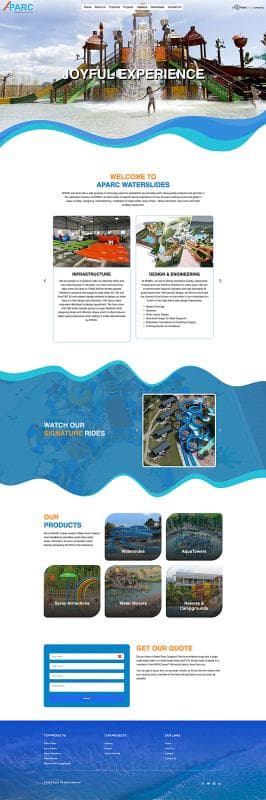
APARC
Clean and modern architecture portfolio website.
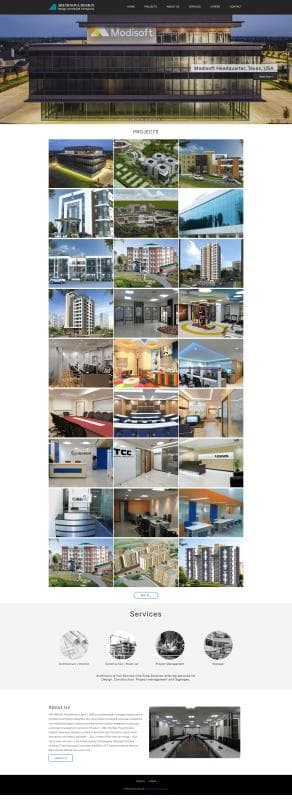
Archinova Inc.
Architecture firm website showcasing projects, careers, and office design.










Ready to talk through your application?
Tell us about your screens and data — we'll recommend a structure, not a default.
Share your current app or product plans. You'll get an honest architecture recommendation and a scoped starting point before any commitment.
FAQs
React development — frequently asked questions.
Straight answers on state management, platform choice and what this engagement can and cannot promise.
Not sure if React is the right fit? Tell us your project and we'll advise honestly, including if a different approach suits better.
Not automatically. React suits interactive, component-heavy interfaces well, but a simpler server-rendered site — or a Next.js build specifically, if you also need routing, server rendering and SEO structure — may suit better depending on your project. We recommend based on your actual requirements, not a default answer.
React is the UI library; Next.js is a framework built on top of it that adds routing, server rendering and related structure. This page covers React component systems and frontend applications generally, including cases where Next.js is not the chosen framework. See our Next.js development page when server rendering, routing and SEO structure are the deciding factors.
Yes, as part of our mobile app development service — see that page for the full scope. Cross-platform frameworks such as React Native do not guarantee native-level performance in every scenario, and we discuss that trade-off honestly rather than overselling it.
We choose state management and data-fetching approaches based on what your application actually needs, rather than defaulting to a specific library. If your project already uses Redux, GraphQL or another established pattern, we'll work within it — tell us your stack and we'll scope accordingly.
We plan migrations with a redirect map and a validation pass to reduce the risk of lost visibility, but we do not guarantee every ranking is preserved — that depends on factors beyond the migration itself. It is a risk-reduction practice, not a guarantee.
Costs vary by scope — component count, integrations and state complexity all affect it. Share your brief and we will provide a clear estimate against a defined scope.
Small applications or component libraries can take a few weeks; larger applications with more integrations take longer. We provide a milestone plan up front.
Yes — maintenance plans covering dependency updates, monitoring and fixes, so the application stays current rather than being left to drift. See our website maintenance service for what is included.
Locations
Explore Our Locations
We proudly serve clients in major cities worldwide, delivering exceptional web design, development, and digital marketing services.