Mobile App Development · Mumbai & Worldwide
Product decisions first,
technology stack second.
Discovery, prototyping and a scoped MVP before any platform commitment. We recommend responsive web, a cross-platform build or native development based on your users, team and maintenance budget — not a default answer applied to every project.

Prateeksha provides mobile app development services for Mumbai businesses — product discovery, UX design, prototyping and an MVP-first delivery approach, with a platform recommendation (responsive web, cross-platform or native) based on the client's actual users, team and maintenance budget rather than a default technology pitch. Cross-platform frameworks such as React Native do not guarantee native-level performance in every scenario, and security is applied as scoped, threat-appropriate practices rather than described as "secure by default."
Where mobile app projects go wrong
Most failed app projects made a technology decision before a product decision.
- 01
An oversized first release
Every possible feature gets built before anyone has confirmed which ones users actually need.
- 02
An unclear user journey
Screens get designed before the core task the app needs to accomplish is genuinely understood.
- 03
A premature platform choice
Native, cross-platform or a website gets decided before discovery has established what the app actually needs to do.
- 04
A disconnected backend
The app and its data layer get built by different teams on different timelines, with integration left until the end.
- 05
Weak testing and release planning
QA and store submission get treated as a final step rather than something planned from the start.
What evidence-led delivery changes
Discovery and prototyping before any platform commitment.
We scope the smallest useful version first, validate it, and only then commit to a platform matched to your actual users. Already decided you need a React Native build specifically? See our React Native development service.
- Product discovery and user-journey mapping before any build work
- A clickable prototype to validate direction before writing production code
- An MVP scoped to the smallest useful version, not every possible feature
- A platform recommendation matched to your users, team and budget
- Testing and release planning built in from the start, not bolted on at the end
What's included
Every stage a mobile product actually needs, in order.
Scoped to what discovery shows your product genuinely requires.
Product discovery
Discovery
UX & UI design
Design
Clickable prototype
Validation
MVP delivery
MVP-first
Cross-platform or native build
Platform-matched
Explore React NativeBackend & API integration
Connected
Testing & release preparation
Planned early
Ongoing support
Post-launch
How delivery runs
Discover, prototype, build, validate, release — in that order.
Every stage produces evidence the next stage builds on, rather than assuming the answer upfront.
Discover
Product goals, users and the core task the app must accomplish, established through direct conversation.
Prototype
A clickable prototype tested with real intent before any production code is written.
Build
An MVP delivered on the platform matched to your users, team and maintenance budget.
Validate
Real usage evidence gathered — the honest test of whether the product direction holds up.
Release
Tested, planned release with ongoing support already in place, not treated as the finish line.
What changes
A feature-first build vs. evidence-led product delivery.
Both produce an app. The difference is whether the platform and feature set were chosen from evidence or assumption.
Choosing the right platform
The right platform depends on your users, not a default answer.
Each option genuinely fits different situations — we recommend based on your actual requirements.
Responsive web / PWA
Lowest overhead
Cross-platform app
React Native
Explore React NativeNative app
Performance-led
Internal / business application
Internal tools
Choose your starting point
Three ways to start, depending on how validated your idea already is.
Each is a legitimate starting point — you decide how far to take it after seeing the evidence.
Start here
Prototype
A clickable prototype to validate direction with real users before any production code is written.
- Product discovery workshop
- User-journey mapping
- A testable, clickable prototype
- Findings you own either way
Recommended
MVP
A scoped, working product built on the platform matched to your users and budget.
- Platform recommendation, discussed honestly
- MVP-scoped feature set
- Backend & API integration
- Testing and release planning built in
Ongoing
Production & roadmap
A production build with an ongoing support and feature roadmap after launch.
- Production-ready release
- Store submission planning
- Ongoing monitoring and support
- A prioritised roadmap based on real usage
What ships with every mobile app engagement
Discovery documentation
A written record of the users, the core task, and the decisions behind the platform recommendation.
A clickable prototype
A testable prototype used to validate direction before any production code is written.
Scoped security practices
Authentication, storage and API communication handled with controls matched to your actual data sensitivity.
Testing & release plan
QA coverage and store-submission planning, scheduled from the start rather than treated as an afterthought.
Handover documentation
API documentation, deployment notes and a maintenance guide, so ownership is straightforward.
Post-launch support
Monitoring, fixes and updates after release, so the app keeps working as platforms and users change.
Website Design
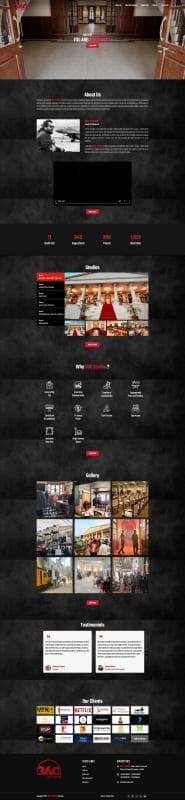
Creative studio website with bold visuals and portfolio showcase.
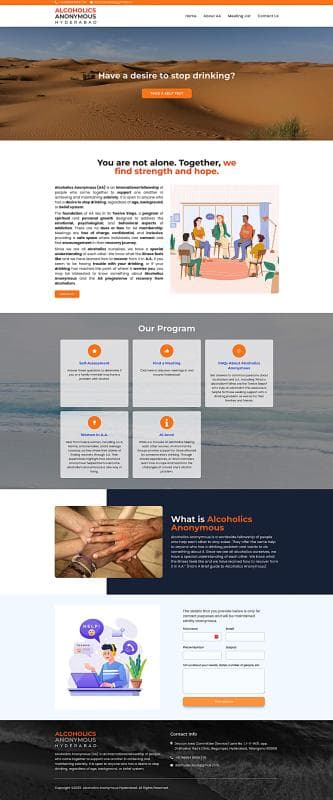
Corporate website for AA Hyderabad featuring meetings and event sections.
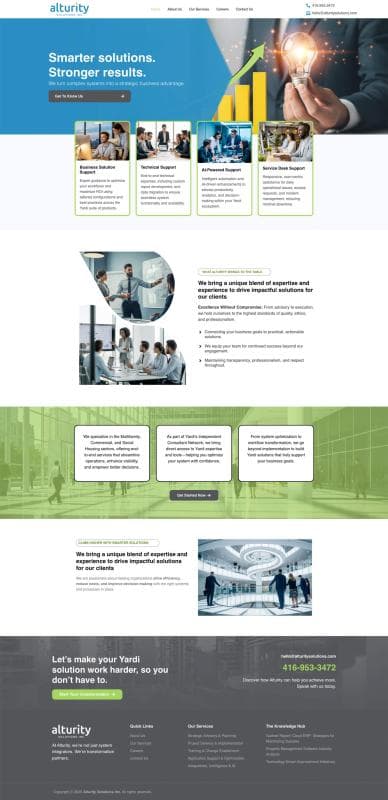
Professional website for Alturity Solutions technology services.
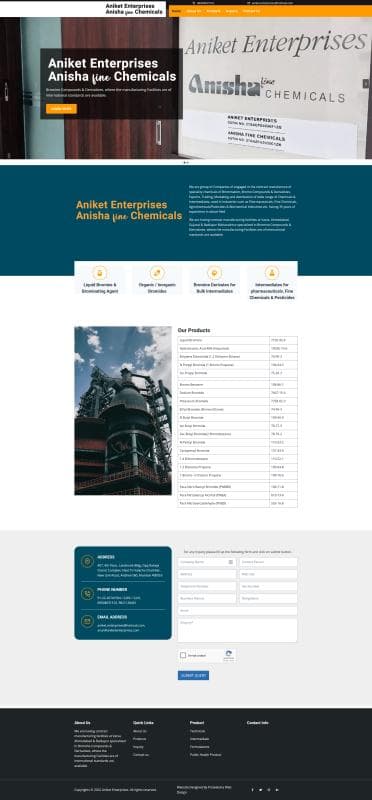
Industrial website with product catalogue, certifications, and contact forms.
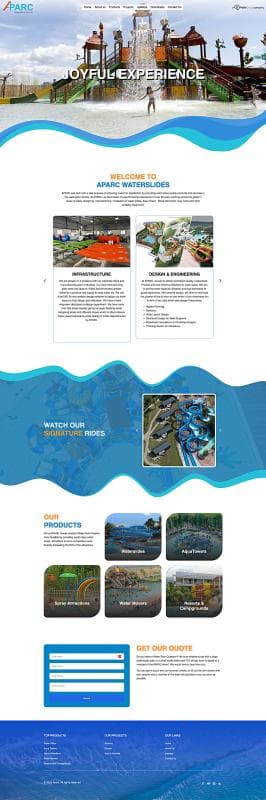
Clean and modern architecture portfolio website.
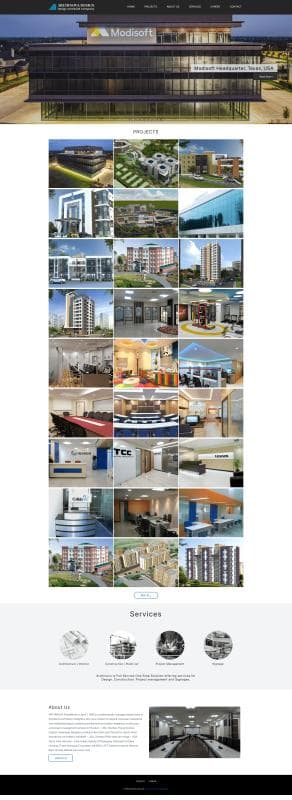
Architecture firm website showcasing projects, careers, and office design.
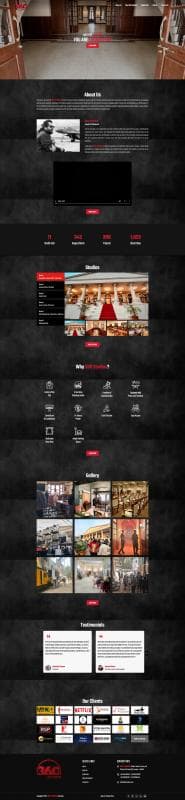
360 Studios
Creative studio website with bold visuals and portfolio showcase.
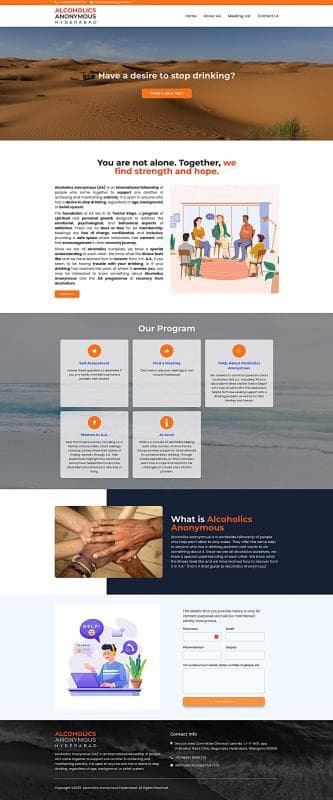
AA Hyderabad
Corporate website for AA Hyderabad featuring meetings and event sections.
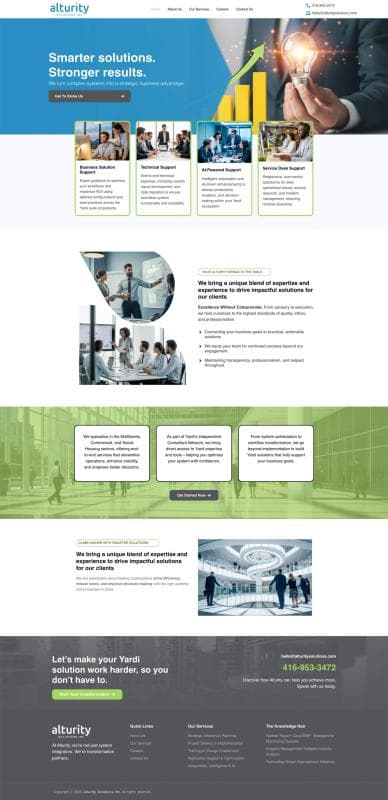
Alturity Solutions
Professional website for Alturity Solutions technology services.
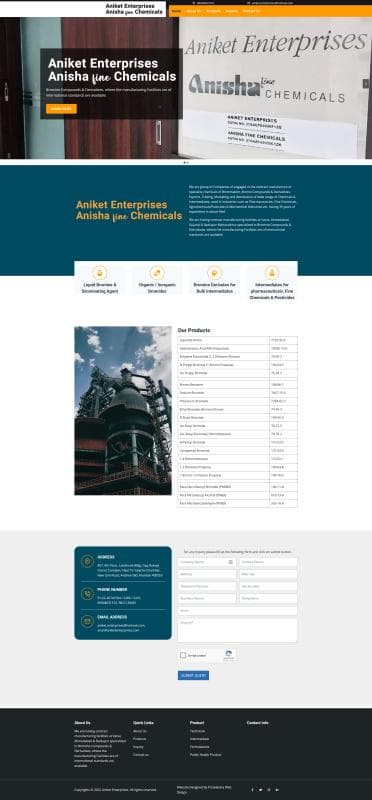
Aniket Enterprises
Industrial website with product catalogue, certifications, and contact forms.
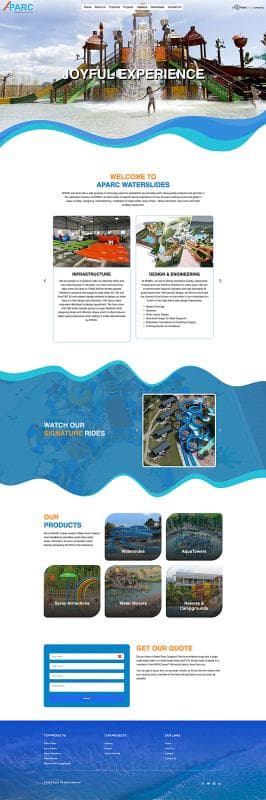
APARC
Clean and modern architecture portfolio website.
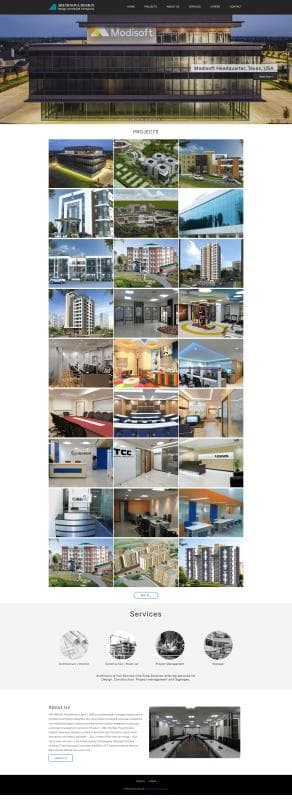
Archinova Inc.
Architecture firm website showcasing projects, careers, and office design.





Ready to talk through your product?
Start with discovery — not a platform pitch.
Tell us about your users and what the app needs to do. You'll get an honest platform recommendation and a scoped starting point before any commitment.
FAQs
Mobile app development — frequently asked questions.
Straight answers on platform choice, performance trade-offs and what this engagement can and cannot promise.
Not sure if you need an app at all? Tell us your use case and we'll advise honestly, including if a website is the better fit.
Often a responsive website or a progressive web app covers the need at a fraction of the cost and complexity — especially for content, bookings or simple transactions. We recommend a native or cross-platform app when you genuinely need offline access, deep device features, or app-store discovery, not by default. This is one of the first questions we work through with you.
It depends on your users, your team and your maintenance budget. A cross-platform build such as React Native shares code across iOS and Android and can be faster to build initially, but it does not guarantee native-level performance in every scenario — that is a genuine trade-off, not something we oversell. Fully native, platform-specific engineering suits apps that lean heavily on device-specific features or need the highest achievable performance. We recommend based on your actual requirements after discovery, not a default answer.
Not necessarily, and we will not claim it does. Cross-platform frameworks like React Native have narrowed the gap significantly for most business apps, but they do not guarantee native-level performance in every case — particularly for graphics-heavy or hardware-intensive features. We discuss this trade-off honestly as part of the platform recommendation.
It depends on the platform choice and scope, and we do not promise a guaranteed cost reduction or faster time-to-market as an outcome — those depend on your specific requirements, team and integrations. What we can commit to is a transparent estimate and milestone plan up front, so you can compare options honestly.
An MVP is a tool for gathering real evidence about how users respond to your core idea — it helps you evaluate product-market fit, but it does not deliver or guarantee it. Whether the product succeeds depends on market factors well beyond what any development team controls. We build the MVP to generate genuine, useful evidence, not to promise an outcome.
We apply scoped security practices matched to the sensitivity of your data and use case — secure authentication, encrypted storage where appropriate, and secure API communication. We do not describe any app as "secure by default," since real security depends on ongoing practices, the specific threat model, and how the app is actually used and maintained after launch.
Our team's primary, evidenced track record is in web design and development — see our portfolio for real, verifiable examples of that work. For mobile app development specifically, we scope engagements around product discovery, prototyping and the same evidence-led delivery process shown on this page, and we will discuss relevant experience directly and honestly during a consultation rather than list unverified claims here.
Yes — NDA and IP agreements are available on request before we start any discovery or scoping work, to protect your product idea and data.
Locations
Explore Our Locations
We proudly serve clients in major cities worldwide, delivering exceptional web design, development, and digital marketing services.