Laravel Development · Mumbai & Worldwide
Laravel APIs and CMS backends,
built by the framework this agency actually runs.
Laravel is the framework behind every content system and API we operate — it powers the CMS and backend for our own production sites, not just a listed skill. We build REST APIs, CMS-driven admin panels and data models on Laravel. Need a general website instead of a backend build? See our web development page.

Prateeksha builds Laravel API and CMS backends in Mumbai — the same stack pattern behind our own content platform, paired with a React or Next.js frontend. We do not manage Kubernetes, container orchestration or multi-cloud infrastructure, do not claim enterprise-scale infrastructure work, do not claim fintech or healthcare specialism, and do not provide staff augmentation or outsourced developer staffing. This is a distinct service from our general web development page and our custom web application development service.
Where Laravel backends go wrong
Most fragile Laravel backends grew ad hoc, without a data model or API plan.
- 01
Routes and logic added ad hoc
Endpoints built one at a time as needs came up, with no overall API structure.
- 02
A data model that grew sideways
Tables and relationships added incrementally, without revisiting the original schema.
- 03
Outdated dependencies left in place
Framework and package versions frozen because upgrading feels risky without a tested process.
- 04
No caching or query strategy
Slow responses under load because caching and query optimisation were never planned in.
- 05
CMS content model built too rigid
A content structure that made sense for the first few pages, not the site the CMS eventually had to support.
What a structured Laravel build changes
An API and data model planned before the first endpoint.
We design the API surface and data model up front — the same discipline behind our own Laravel-backed CMS. Looking for the broader application, not just the backend? See our custom web application development service.
- An API surface designed up front, not grown ad hoc
- A data model built for how the content or business actually works
- A tested, careful process for framework and dependency upgrades
- Caching and query strategy planned in, not left to react to load
- A CMS content model flexible enough for how the site actually grows
What's included
Every stage a Laravel backend actually needs, in order.
Scoped to your API surface, data model and integrations — not a generic checklist.
API design
API
Data modelling
Data model
CMS & admin backend
CMS
Migration & upgrades
Migration
Payment integration
Payments
Explore ecommercePerformance work
Performance
Testing
QA
Handover & maintenance
Care plans
Explore maintenanceHow delivery runs
Design, model, build, test, hand over — in that order.
The same sequence for a focused API or a fuller CMS backend.
Design
The API surface and data model planned before the first endpoint is written.
Model
A MySQL schema and content structure built around how the project actually works.
Build
Laravel API and backend logic implemented against the design, not improvised endpoint by endpoint.
Test
Verification against real data flows, integrations and, for upgrades, regression tests.
Hand over
Documentation, credentials and a maintenance option, so you are never locked in.
What changes
An ad hoc backend vs. a designed Laravel API.
Both can serve requests on day one. The difference shows up once content, traffic or integrations grow.
Suited to
Built for projects that genuinely need a dedicated API and data layer.
Not every project needs a standalone backend — we're honest about which of these genuinely do.
Headless CMS backends
CMS
REST APIs for a frontend or app
API
Legacy Laravel upgrades
Migration
Choose your starting point
Three ways to start, depending on where your project is today.
A backend review, a scoped build, or ongoing support — each is a legitimate, honestly-scoped starting point.
Diagnose
Backend & upgrade review
A review of an existing Laravel app, with a written recommendation on scope and risk.
- Dependency and version audit
- API and data-model review
- A migration or upgrade recommendation
- A written plan you can act on either way
Recommended
Laravel build
A new Laravel API or CMS backend built to the data model and integrations your project needs.
- REST API design and implementation
- MySQL data modelling
- Payment and third-party integrations
- Testing and documentation before handover
Ongoing
Support & iteration
Maintenance and incremental improvements after launch, as data and traffic grow.
- Dependency updates & monitoring
- Performance diagnosis as load grows
- Incremental feature work
- See our website maintenance service
What ships with every Laravel engagement
API documentation
A written record of endpoints, authentication and versioning, so integrators can rely on it.
A documented data model
The MySQL schema and its relationships, recorded so future changes don't break assumptions.
Migration & rollback plan
Migration scripts and a rollback path for schema changes, so upgrades stay recoverable.
Testing before launch
Verification against the endpoints, data flows and integrations actually shipped.
Deployment notes
Environment and hosting configuration documented, whatever platform you deploy to.
Handover & support options
Code, docs and credentials handed over, with a maintenance plan available if you want it.
Website Design
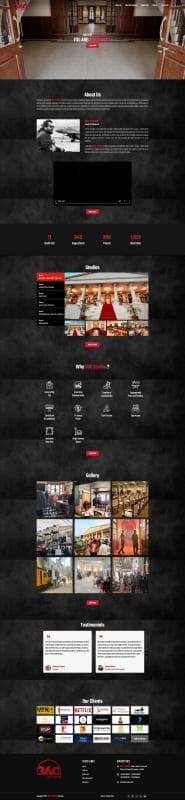
Creative studio website with bold visuals and portfolio showcase.
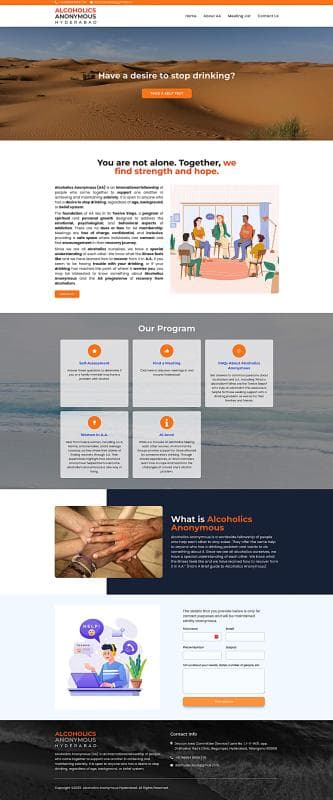
Corporate website for AA Hyderabad featuring meetings and event sections.
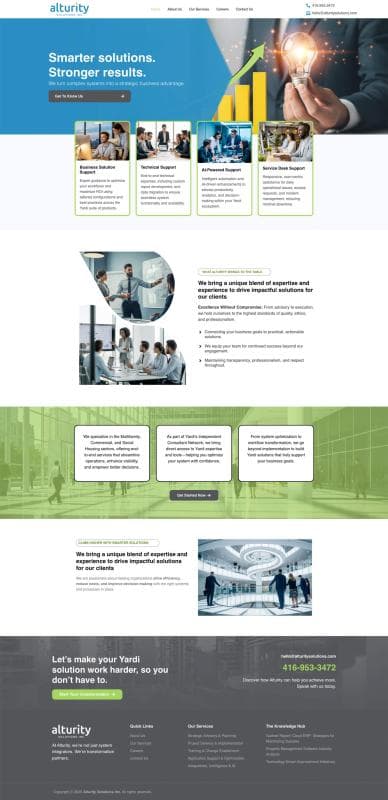
Professional website for Alturity Solutions technology services.
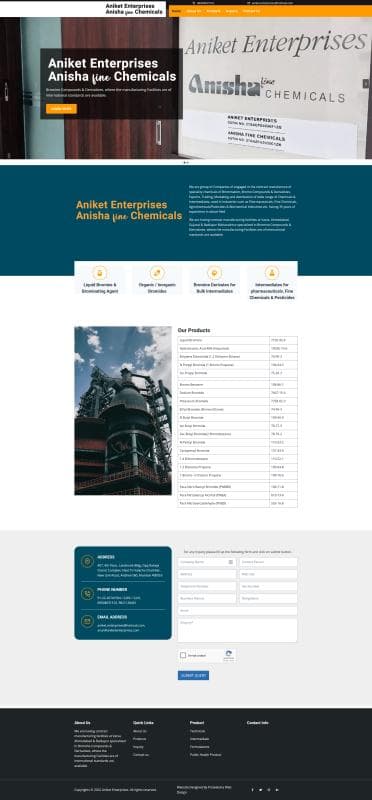
Industrial website with product catalogue, certifications, and contact forms.
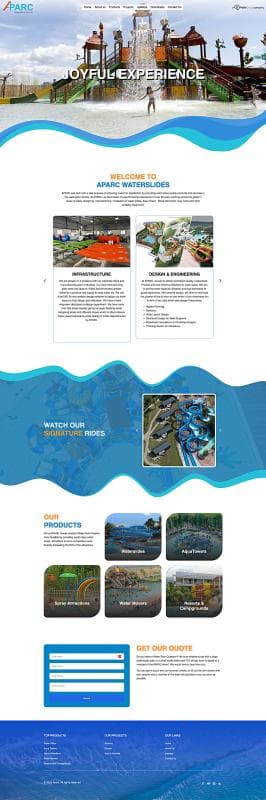
Clean and modern architecture portfolio website.
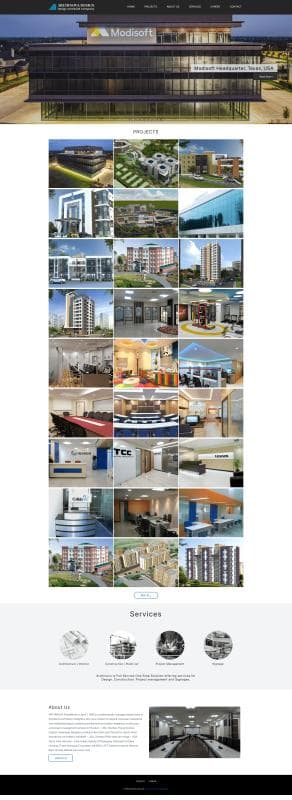
Architecture firm website showcasing projects, careers, and office design.
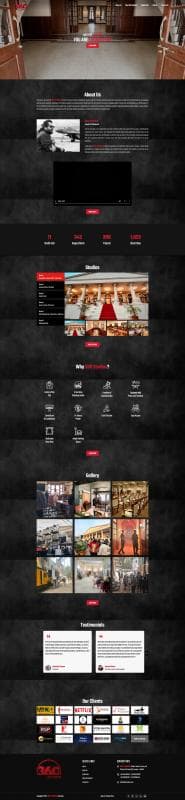
360 Studios
Creative studio website with bold visuals and portfolio showcase.
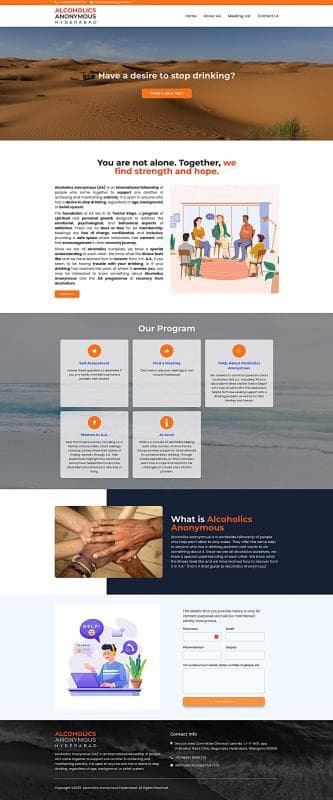
AA Hyderabad
Corporate website for AA Hyderabad featuring meetings and event sections.
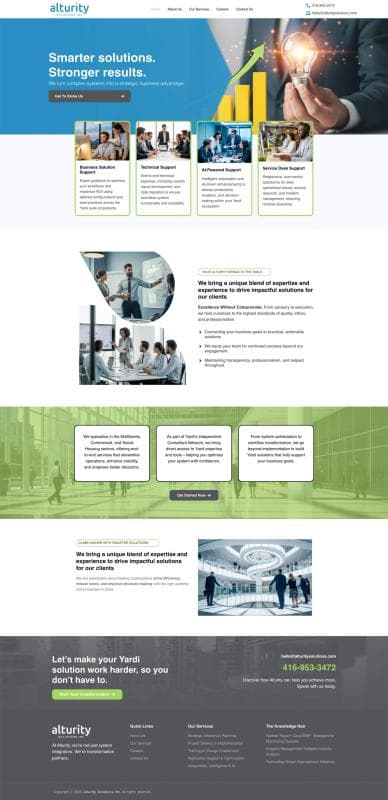
Alturity Solutions
Professional website for Alturity Solutions technology services.
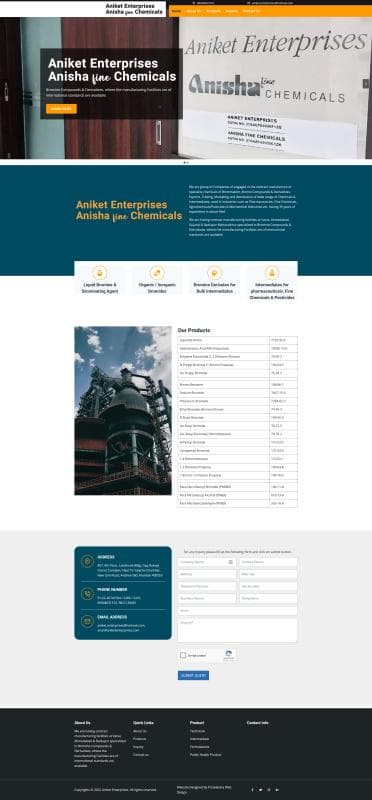
Aniket Enterprises
Industrial website with product catalogue, certifications, and contact forms.
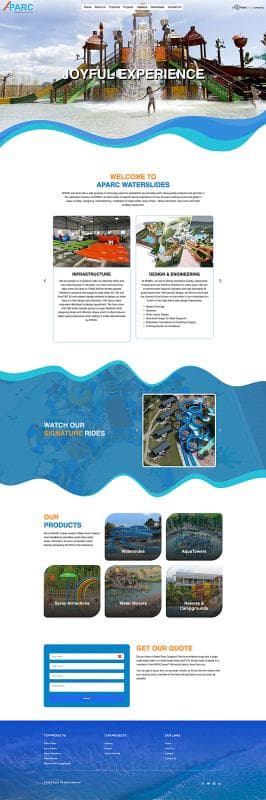
APARC
Clean and modern architecture portfolio website.
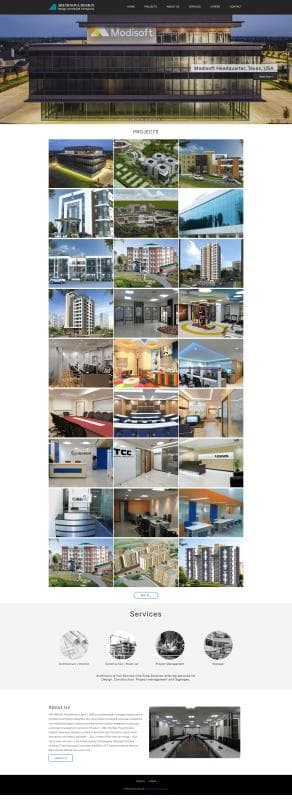
Archinova Inc.
Architecture firm website showcasing projects, careers, and office design.










Ready to talk through your backend?
Tell us your data and API needs — we'll recommend a structure, not a default.
Share your current setup or plans for a new API/CMS backend. You'll get an honest recommendation before any commitment — no invented infrastructure claim, no SLA we can't back.
FAQs
Laravel development — frequently asked questions.
Straight answers on scope, infrastructure claims and what this service does and doesn't include.
Not sure if you need a standalone backend? Tell us your project and we'll advise honestly, including if a different approach suits better.
It's the backend framework we actually use — our own CMS at cms.prateeksha.com runs on Laravel, paired with this Next.js frontend. When we recommend Laravel for a project, it's the same pattern we run ourselves, not a framework we're guessing at.
No. Our evidenced work is Laravel API and CMS backend development on standard, conventional hosting — the same setup our own backend runs on. We haven't published a Kubernetes, container-orchestration or multi-cloud deployment service, so we won't claim it here.
Most commonly React or Next.js — the same pairing this site itself uses (a Laravel API behind a Next.js frontend). See our Next.js and React pages for the frontend side of that pairing.
Yes. We review dependencies, work through breaking changes, and run tests before and after the migration. We describe this as a tested, careful process — we do not promise a specific "zero-downtime" guarantee, since that depends on your hosting and traffic pattern too.
Yes — REST API design and payment gateway integration are both genuinely part of what we deliver, evidenced by real ecommerce and CMS work elsewhere on this site.
No. We deliver scoped Laravel projects rather than operating as a staffing agency. If you need a defined backend or API built, that is what this service is for.
It depends on scope — API surface, integrations, data complexity and hosting. Share your requirements and we will give you a clear, scoped estimate.
Yes, as a separate service — updates, monitoring and fixes. We don't publish a specific response-time SLA; see our website maintenance service for what is actually included.
Locations
Explore Our Locations
We proudly serve clients in major cities worldwide, delivering exceptional web design, development, and digital marketing services.