React Native Assessment · Part of Mobile App Development
Is React Native actually
the right fit for your app?
This page is a focused technical look at React Native specifically — what it is, the genuine trade-offs against other approaches, and when it fits. For the full discovery-led engagement process — product discovery, prototyping, MVP delivery and an honest platform recommendation — see our mobile app development service; that page is where a project actually starts.

This page is a framework-suitability assessment for React Native specifically — what it is, the genuine performance trade-offs against fully native engineering, and when it fits. It does not restate the full mobile app development lifecycle; for product discovery, prototyping, MVP delivery and an honest platform recommendation, see our mobile app development service. Cross-platform frameworks such as React Native do not guarantee native-level performance in every scenario, and Prateeksha does not claim a published or verified React Native delivery record — our evidenced track record is in web design and development.
Where React Native decisions go wrong
Most React Native projects that struggle picked the framework before assessing the fit.
- 01
Assuming automatic native-level performance
It is a genuine trade-off, not something we will oversell: cross-platform frameworks do not guarantee native-level performance in every scenario, and that assumption often goes unchecked until launch.
- 02
Assuming one codebase means zero platform-specific work
iOS and Android still diverge on permissions, navigation conventions and certain native modules, even inside a shared codebase.
- 03
Skipping the platform-fit assessment entirely
React Native gets chosen by default or trend, without comparing it against fully native or a responsive web option first.
- 04
No plan for native modules the framework does not cover
Hardware or SDK integrations outside Expo’s managed workflow get discovered mid-build instead of scoped up front.
- 05
A staffing decision made before a technical one
Hiring or contracting React Native developers happens before anyone has confirmed React Native is the right platform for the app.
What an honest assessment changes
A technical evaluation of React Native specifically, before any platform commitment.
We look at your app's actual requirements — device features, performance needs, team and budget — against what React Native genuinely offers, honestly, without assuming it is the default answer. This assessment is one part of a larger process; the full discovery, prototyping and platform-recommendation engagement lives on our mobile app development page, and that is where a real project should start.
- A direct comparison of React Native against fully native for your specific app
- No native-level performance promise where it is not honestly achievable
- Native-module and third-party integration needs identified up front, not mid-build
- State management scoped to your app, not defaulted to a named library
- A clear route back to full discovery on /mobile-app-development-services
What's included in the technical scope
What a React Native build covers once it's the right fit.
This is the technical scope that follows a platform recommendation from the discovery process on /mobile-app-development-services — not a standalone pitch.
TypeScript project setup
Foundation
Expo or bare workflow choice
Workflow
Native module integration
Native access
Cross-platform UI implementation
Shared codebase
Backend & API integration
Integration
Testing
QA
App-store release process
Release
Full engagement process
Start here
See mobile app developmentRelated decisions
React Native is not the only technology decision an app project touches.
- 01
A web interface that also needs a React Native app
Many products need a browser-based interface alongside a mobile app, built with a shared component approach where it makes sense.
- 02
A backend or internal tool feeding the mobile app
A React Native app is often the client layer for a larger system — an admin panel, a custom workflow tool, or an API backend.
Where to look next
Two related pages, if your project spans more than mobile.
If your project also needs a browser-based interface built with the same component thinking, see our React development service. If it needs a bespoke internal tool or backend system behind the mobile app, see our custom web application development service — both are scoped separately from this page. Already know your app needs a React Native build? Request a quote directly.
- A React web interface, scoped through our React development page
- A custom backend or internal tool, scoped through our custom web application page
- A mobile app, scoped through discovery on our mobile app development page
- React Native assessed here, as one part of that larger picture
What genuinely differs
React Native vs. fully native vs. other cross-platform approaches.
Each fits different situations. This page is about React Native specifically, not a blanket recommendation for or against it.
Choose your starting point
Three honest starting points, depending on how decided you already are.
Each is a legitimate starting point — the right one depends on how far along your platform decision already is.
Not sure yet
Not sure if React Native fits
Start with the discovery-led assessment that compares React Native against native and web options for your actual app.
- A platform-fit conversation, not a default pitch
- React Native compared honestly against the alternatives
- Native-module and device-feature needs identified early
- Routed into the full mobile app development process
Recommended
Already decided on React Native
A focused build scoped directly to your app, once React Native is confirmed as the right fit.
- TypeScript project setup, Expo or bare workflow
- Cross-platform UI and native-module integration
- Backend/API integration and testing
- App-store release planning
Ongoing
Existing React Native app needs support
Maintenance, upgrades or feature work on an app already built in React Native, scoped per project.
- Dependency and Expo/RN version upgrades
- Bug fixes and performance diagnosis
- Incremental feature work
- Scoped per project, not a published retainer SLA
What ships with a React Native build
Platform-fit documentation
A written record of why React Native was recommended for your app, and where the trade-offs sit.
A typed, shared codebase
TypeScript across iOS and Android, structured for maintainability.
Native-module documentation
Any bridged native modules documented with usage notes, so future changes stay clear.
Testing before release
Verification across both platforms against the features actually shipped.
App-store release notes
Build, signing and submission steps documented for the App Store and Play Store.
Handover documentation
Code, docs and access handed over clearly, so ownership is straightforward.
Website Design

Creative studio website with bold visuals and portfolio showcase.
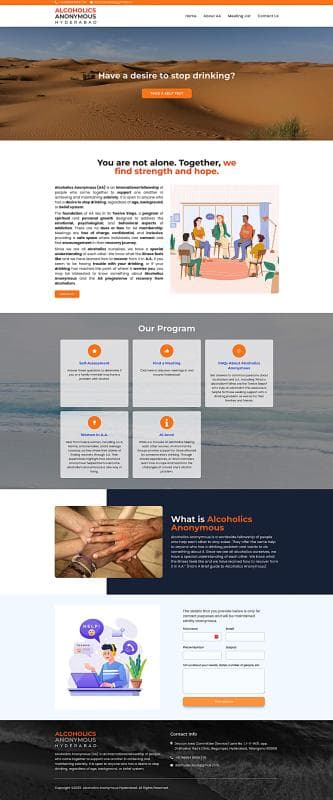
Corporate website for AA Hyderabad featuring meetings and event sections.

Professional website for Alturity Solutions technology services.
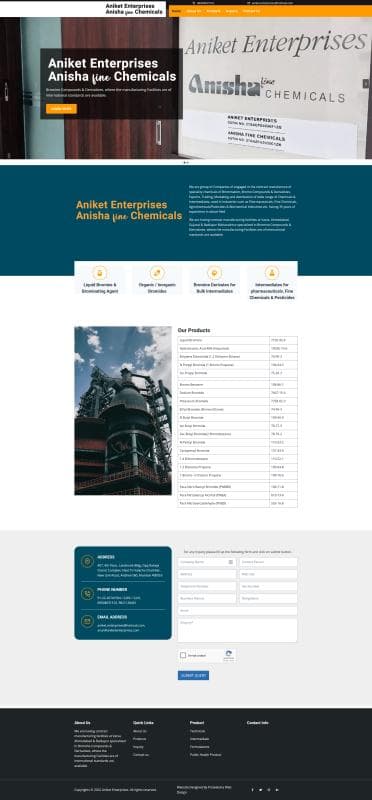
Industrial website with product catalogue, certifications, and contact forms.
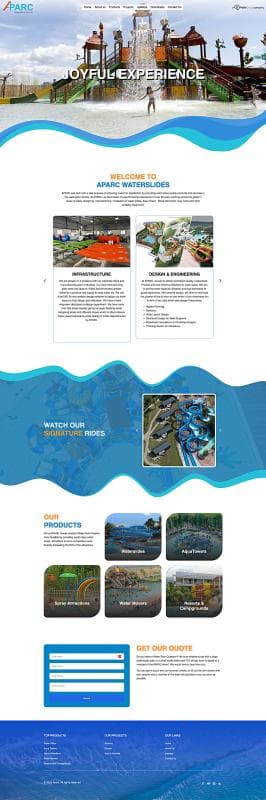
Clean and modern architecture portfolio website.
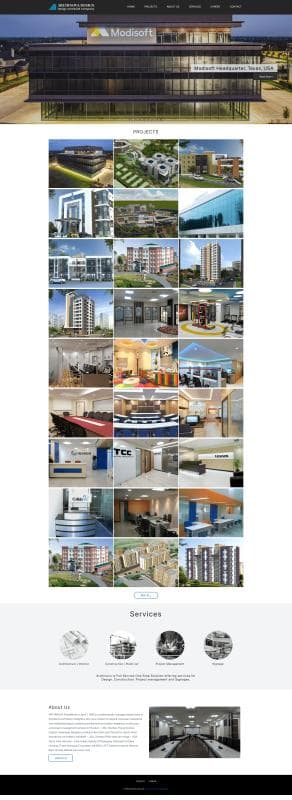
Architecture firm website showcasing projects, careers, and office design.

360 Studios
Creative studio website with bold visuals and portfolio showcase.
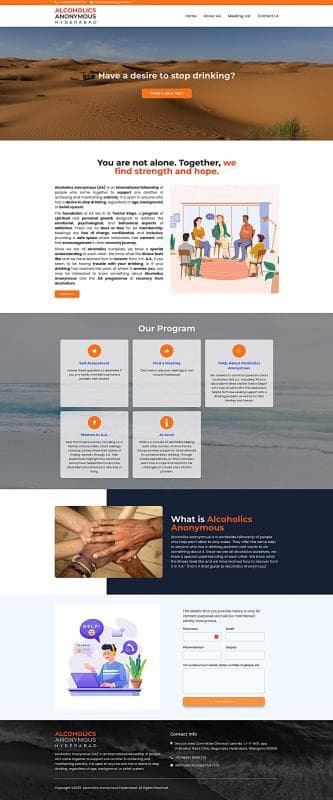
AA Hyderabad
Corporate website for AA Hyderabad featuring meetings and event sections.

Alturity Solutions
Professional website for Alturity Solutions technology services.
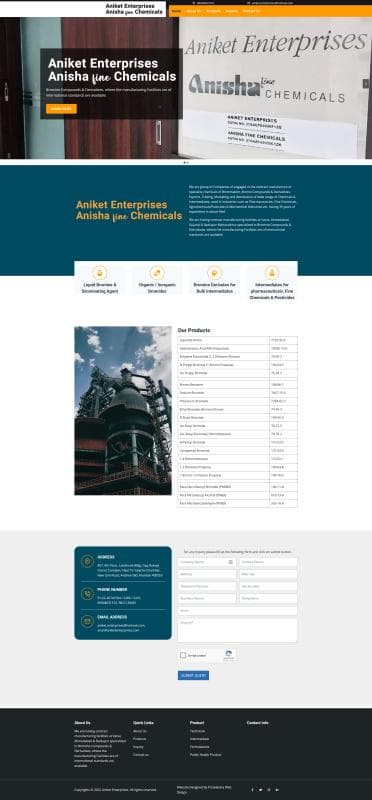
Aniket Enterprises
Industrial website with product catalogue, certifications, and contact forms.
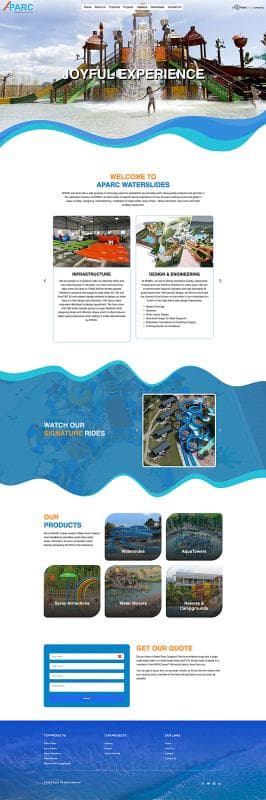
APARC
Clean and modern architecture portfolio website.
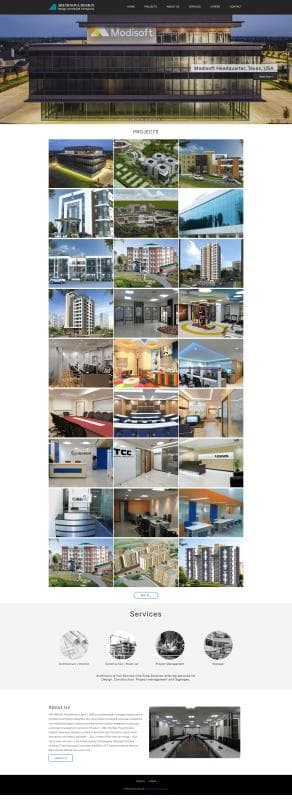
Archinova Inc.
Architecture firm website showcasing projects, careers, and office design.










Ready to talk through your app?
Start with the platform assessment — not a React Native default.
Tell us about your app and its device needs. You'll get an honest read on whether React Native fits, as part of the full discovery process on our mobile app development page.
FAQs
React Native — frequently asked questions.
Straight answers on performance trade-offs, technical scope and what this page can and cannot promise.
Have a real project in mind? Start on our mobile app development page and we'll assess React Native as part of that process.
React Native is a framework for building mobile apps with a single, largely shared codebase across iOS and Android, using TypeScript and either the managed Expo workflow or a bare React Native project when deeper native-module access is needed. It is a genuine, widely used technology — this page is about whether it specifically fits your project, not a sales pitch for it by default.
Not necessarily, and we will not claim it does. React Native does not guarantee native-level performance in every scenario — particularly for graphics-heavy or hardware-intensive features. For most business apps the gap is small and manageable; for a minority of use cases, fully native engineering is the more honest recommendation. That trade-off is discussed directly, not oversold.
We do not have a published or verified React Native delivery record to point to. Our team's evidenced, verifiable track record is in web design and development — see our portfolio for real examples of that work. React Native engagements are scoped through the same discovery-led process described on our mobile app development page, and we discuss relevant experience honestly during a consultation rather than listing unverified claims here.
We choose a state-management approach based on what the specific app actually needs, rather than defaulting to a named library. If your project already uses Redux or another established pattern, we'll work within it — tell us your stack and we'll scope accordingly.
Offline handling and real-time updates are technical scope decisions made during the discovery process on our mobile app development page, matched to what your specific app needs — not a default architecture applied to every build. We will discuss what is genuinely achievable for your use case rather than promising a specific architecture upfront.
We do not have an evidenced delivery record in those specific regulated or specialised sectors, and we will not claim one here. If your project has sector-specific compliance needs, raise them during discovery on our mobile app development page and we will scope honestly around what is genuinely achievable.
It depends on your users, your team and your maintenance budget — not a default answer. This is exactly the assessment our mobile app development page runs through discovery, weighing React Native against native and against a responsive web option, before any platform commitment is made.
Yes — NDA and IP agreements are available on request before we start any discovery or scoping work, consistent with what is offered on our mobile app development page.
Locations
Explore Our Locations
We proudly serve clients in major cities worldwide, delivering exceptional web design, development, and digital marketing services.